
As I wrote in Beating Sugar Addiction For Dummies, my recommendation for eggs is pasture-raised. There are so many options, choosing a carton of eggs for your household may feel like a complicated decision. There are numerous types available, including labels that indicate cage-free, free-range, and pasture-focused practices. Learning how farmers produce pasture-raised eggs will help you understand if they’re the right choice for yourself and your loved ones.
In This Article
- How Are Pasture-Raised Eggs Produced?
- A Brief History of Pasture-Raised Standards
- Best Providers of Pasture-Raised Eggs
- Criteria to Find the Best Egg Companies
- Pasture-Raised Egg Company Comparative Table
- Understand How Companies Produce Pasture-Raised Eggs
- Frequently Asked Questions
Key Takeaways
- Pasture-raised chickens enjoy an extensive outdoor grazing space, shelter and supplemental feed.
- There isn’t a federal definition for pasture-raised production, but companies follow the acre recommendations set by the Soil Association.
- Companies raising chickens on pastures also have high benchmarks for things like pesticides, hormones and other business practices that set them apart.
How Are Pasture-Raised Eggs Produced?
Egg producers sell pasture-raised eggs according to their own definition of the term. The U.S. Department of Agriculture (USDA) doesn’t have a federal standard for the product. Companies selling pasture-raised eggs typically take care of hens that free roam, forage for food and eat tailored feeds. Their eggs fall under the label of pasture-raised because they have access to a minimum of 108 square feet of outdoor space per hen.
A Brief History of Pasture-Raised Standards
The British set the benchmark for outdoor hen care after creating the Soil Association in 1946. The organization decided that each bird should get 108 square feet of space, which meant farmers could have up to 1,000 chickens for every 2.5 acres. Hens can use the space to get adequate grazing land, especially when farmers rotate them through pastures during the year. People can preserve the environment and still feed their chickens by following the Soil Association standard.
You should remember that while it’s crucial for hens to have enough grazing room, the Soil Association doesn’t say anything about the quality of their food intake. Farmers have discretion about what grasses their flocks access and which feeds they provide. Those details set products apart in your grocery store aisle.
Best Providers of Pasture-Raised Eggs
You’ll find the best pasture-raised eggs from the nation’s leading producers. Compare your options to find a brand you like and restock your fridge with confidence.

1. Sauder’s Eggs
Sauder’s Eggs is a family-based company that has decades of experience. The team members maintain long-standing relationships with partnered farmers to ensure product excellence and operational integrity. They also produce pasture-raised eggs without hormones or antibiotics. Sauder’s Eggs maintains a high-quality product because the business’s leaders care about feeding the best food to every generation.
| Sauder’s Eggs | |
| Pasture-Raised Standards | Key Company Features |
| Vegetarian feed Foraging access to vegetation, seeds and other food sources No hormones or antibiotics | In operation since the 1930s Family-run business Long-standing farm partners |
2. Vital Farms
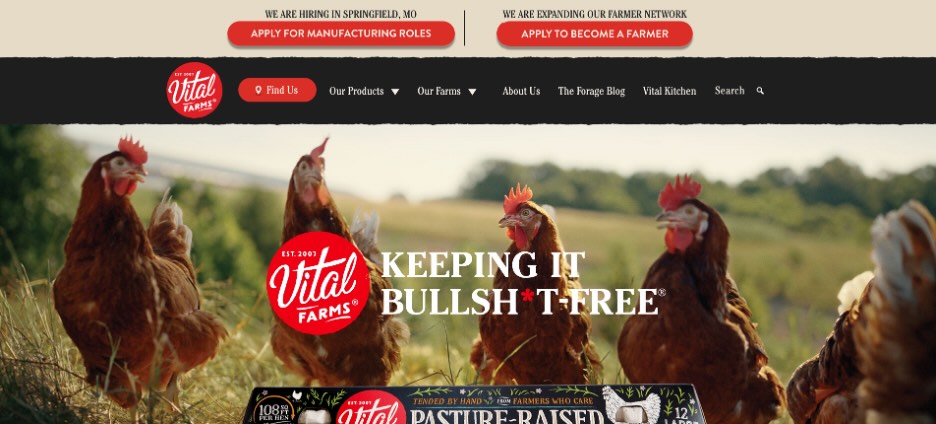
People get their eggs from Vital Farms when they want to support companies founded in conscious capitalism. The business owners ensure that every flock enjoys rotated pastures and supplemental feed that supports their overall well-being. Vital Farms also indicates which farm each carton came from, so you can virtually visit the farm supplying your household eggs.
| Vital Farms | |
| Pasture-Raised Standards | Key Company Features |
| 108 square feet of pasture per chicken Free foraging on natural grasses Supplemental feed from soybean meal and corn | Prioritizes conscious capitalism by including animals, consumers and employees as stakeholders Dedication to environmental protection Open farms to interested customers |
3. Nature’s Gourmet Farm

Nature’s Gourmet Farm raises cattle and hens for people who want grass-fed farm products. The producer sells eggs from flocks with ethical raising guidelines and open pastures. You might also appreciate how Nature’s Gourmet Farm maintains regenerative soil practices to support the environment alongside their animals’ well-being.
| Nature’s Gourmet Farm | |
| Pasture-Raised Standards | Key Company Features |
| Green grass foraging Non-GMO feed Constant access to optional shelters | Humane animal welfare standards Rotational grazing on land free of synthetic fertilizers, pesticides and herbicides Regenerative fields to support the environment |
4. Happy Egg

You could enjoy Happy Egg pasture-raised products if you want tasty eggs raised by a family-owned business. The business keeps its hens on 50 acres of maintained pasture and provides whole-grain feed so every flock gets a well-rounded diet. You can also compost your egg cartons after using them because Happy Egg only uses biodegradable materials.
| Happy Egg | |
| Pasture-Raised Standards | Key Company Features |
| 50 acres to free roam Eight hours on the range daily Whole-grain supplemental feed, including soy and corn | Run by family farmers Sold in biodegradable cartons American Humane certified |
Criteria to Find the Best Egg Companies
You’ll have an easier time comparing egg producers if you know which factors make them stand out as industry leaders. Remember the most important criteria while comparing business profiles, including things like:
- A commitment to the best pasture-based practices, like continual access to grazing areas
- Investments made in employees to sustain a positive internal team culture
- Shared personal values regarding production details, like avoiding supplemental hormones
You can also compare each brand side-by-side to get a better perspective on how they differ. If you understand how long they’ve been in production and which operational guidelines they uphold, you’ll quickly see which egg producer aligns with your values.
| Pasture-Raised Egg Company Comparative Table | ||
| Brand | Industry Experience | Production Standards |
| Sauder’s Eggs | Over 90 years | Vegetarian feed Foraging for vegetation, seeds and other food sources No hormones or antibiotics |
| Vital Farms | Over 15 years | 108 square feet of pasture per chicken Free foraging on natural grasses Supplemental feed from soybean meal and corn |
| Nature’s Gourmet Farm | Over 25 years | Green grass foraging Non-GMO feed Constant access to optional shelters |
| Happy Egg | Over 10 years | 50 acres to free roam Eight hours on the range daily Whole-grain supplemental feed, including soy and corn |
Understand How Companies Produce Pasture-Raised Eggs
Learning how pasture-raised eggs get their title is easy. Choosing the best egg product for your household should also feel effortless. You’ll know which companies set a high bar for the egg production industry once you understand how to select the best pasture-based products for your household.
Frequently Asked Questions
Are pasture-raised eggs healthy?
Pasture-raised eggs are healthy because the chickens roam on private fields. While they can eat the grasses and bugs within their fenced areas, they also benefit from continual access to shelter and supplemental feed.
What is the difference between free-range and pasture-raised eggs?
Free-range eggs come from chickens that have minimal outdoor space. Pasture-raised eggs are from hens that live on bigger pastures. The two types of hen farming can also include varied diets that align with each business’s nutrition standards.
Which egg brands are truly pasture-raised?
Egg brands that truly raise their chickens on pastures are any company committed to the Soil Association’s 108 square feet of land per chicken. If the hens also have constant shelter and feed, you’ll know you’re getting pasture-raised eggs in every carton.