
Walking through the bread aisle can feel surprisingly stressful. One loaf claims to have plenty of whole grains, another advertises high protein, while others promote low carb or keto-friendly ingredients. Add to that the fact that many people have been taught to fear bread altogether, especially when blood sugar is part of the conversation.
Danger! That tension often leads to all-or-nothing thinking. You may choose to give up bread entirely, or grab whatever feels comforting in the moment without thinking about how it affects your energy levels afterward. Bread itself is not necessarily the problem. The ingredients, fiber content, and overall meal balance matter far more than many people realize.
Understanding how grocery store layout psychology shapes your decisions can make it easier to move beyond extremes and choose breads that support steady energy and balanced blood sugar.
Why the Bread Aisle Feels Emotionally Charged
The bread aisle is designed to encourage fast decisions. Familiar white loaves are usually where they are easiest to grab, while healthier-looking options often rely on wellness language and earthy packaging to attract attention. This subtle form of grocery store layout psychology pushes shoppers toward emotional rather than intentional choices.
Bread is also tied to comfort and routine. For many people, it represents quick breakfasts, packed lunches or family meals. At the same time, modern diet culture has turned bread into something many people feel guilty about eating. That emotional back-and-forth makes it easy to swing between restriction and overindulgence.
Instead of treating bread as either “good” or “bad,” it helps to understand why some loaves affect your body differently than others.
How Fiber Changes the Way Bread Affects Blood Sugar
One of the biggest differences between breads comes down to fiber. Traditional white bread is a high glycemic food because it breaks down quickly during digestion. This means carbohydrates are released into the bloodstream at a relatively fast rate and can lead to more noticeable blood sugar fluctuations. High-fiber foods tend to have a lower glycemic index, meaning they release sugar into the bloodstream more slowly, preventing sharp spikes after meals.
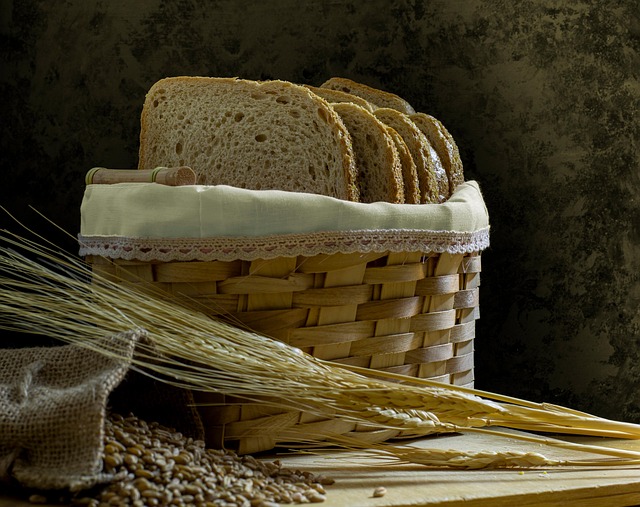
In practical terms, the fiber found in some whole-grain breads helps slow the digestion of carbohydrates and creates a steadier release of energy throughout the day. This is one reason many people searching for good bread for diabetics are encouraged to focus on whole grains and fiber instead of simply avoiding bread altogether.
Foods with a lower glycemic impact generally release glucose slowly and steadily, while foods with a higher glycemic impact release glucose much faster. This difference helps explain why some breads leave you feeling satisfied and energized while others are followed by hunger and energy crashes not long after eating.
How Meal Pairing Makes a Bigger Difference Than You Think
Most people rarely eat bread by itself. The foods you pair with it can significantly affect how satisfying and balanced your meal feels.
Eating bread alongside protein, healthy fats, and vegetables slows digestion and helps support more consistent energy levels. For example, whole-grain toast with eggs and avocado will affect your body differently than plain toast with sugary jam. The same idea applies to sandwiches and lunches throughout the day.
Adding protein and fiber to meals can help support steady energy throughout the afternoon while also contributing to overall wellness. Whole grains paired with lean proteins, fruits and vegetables create more balanced meals that digest more gradually and help reduce the quick rise-and-crash cycle many people experience after eating refined carbohydrates.
What to Look for in Healthy Bread for Diabetics
Many breads marketed as “healthy” are still heavily processed and low in fiber, which is why labels alone can be misleading. Dense breads made with intact grains, seeds, legumes or sprouted ingredients often digest more slowly than soft white breads made with refined flour.
Good news – some newer bread recipes use ingredients like chickpea flour and resistant starches to create breads with more fiber and a lower glycemic impact. These ingredients help slow carbohydrate digestion while making bread more filling and blood sugar-friendly for health-conscious consumers.
Texture can also be a useful clue. Softer breads that feel highly processed tend to break down more quickly, while heartier loaves often provide longer-lasting fullness.

Moving Beyond All-or-Nothing Thinking
The healthiest approach to bread is usually the most sustainable one. Completely restricting bread can make cravings feel stronger, while mindlessly eating refined bread every day can leave you feeling sluggish and unsatisfied.
The goal is not perfection. It is learning which breads help you feel energized, satisfied, and balanced. Slowing down in the bread aisle, reading ingredient labels and thinking about how you plan to pair your bread with the rest of your meal can make a meaningful difference.
Over time, that small shift helps break the cycle that grocery store layout psychology often encourages and makes it easier to enjoy bread in a way that genuinely supports your health.